「本物を求めて、犬山へ。」
これは2007年から始まった「犬山キャンペーン」(犬山市×犬山市観光協会×名古屋鉄道)という観光プロモーションのテーマです。
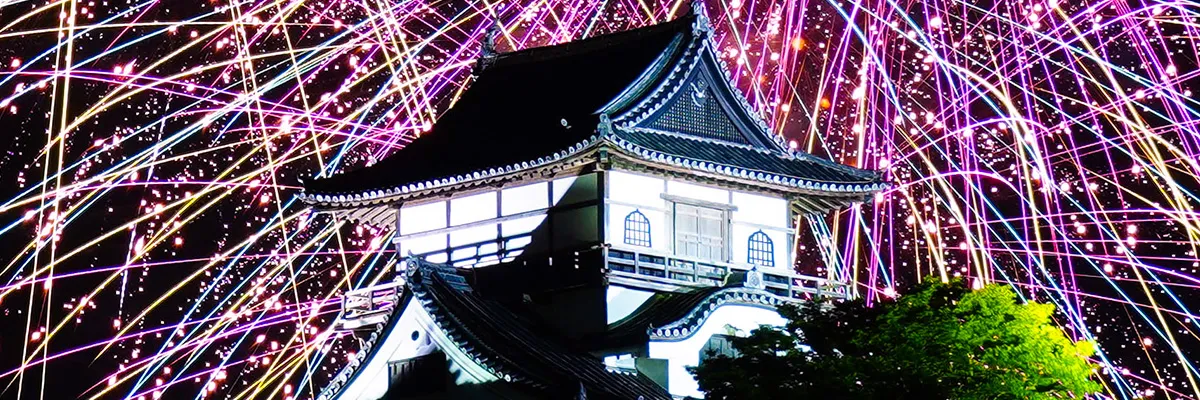
2003年に過去最低19万人を記録した犬山城の年間入場者数が、2018年に過去最多の62万人超えを記録。2019ー2022年のコロナ禍で大幅減少したものの2024年には65万人となり過去最多を更新、2025年もそれを上回る見込みとなっており犬山城下町は大変なにぎわいとなっています。国宝犬山城と城下町が寂れていくことなく、みなさまに訪れていただくことのできる生き生きとした町でいられるのも、官民・地域一体となった「犬山キャンペーン」という取り組みの賜物ではないかと思っています 👏
さて、その犬山の「本物」とは何かと問われれば、多くの方が国宝犬山城、国宝 茶室如庵、博物館明治村を思い浮かべることと思います。歴史・文化に裏付けられた正統的「本物」ですね。しかし犬山にはまだまだ他にはない「ホンモノ」があるんです・・・ ということで、游月庵からはちょっと違った「ホンモノ」を紹介していきたいと思っています。最初となるこの記事では日本モンキーパークの「若い太陽の塔」を紹介します。
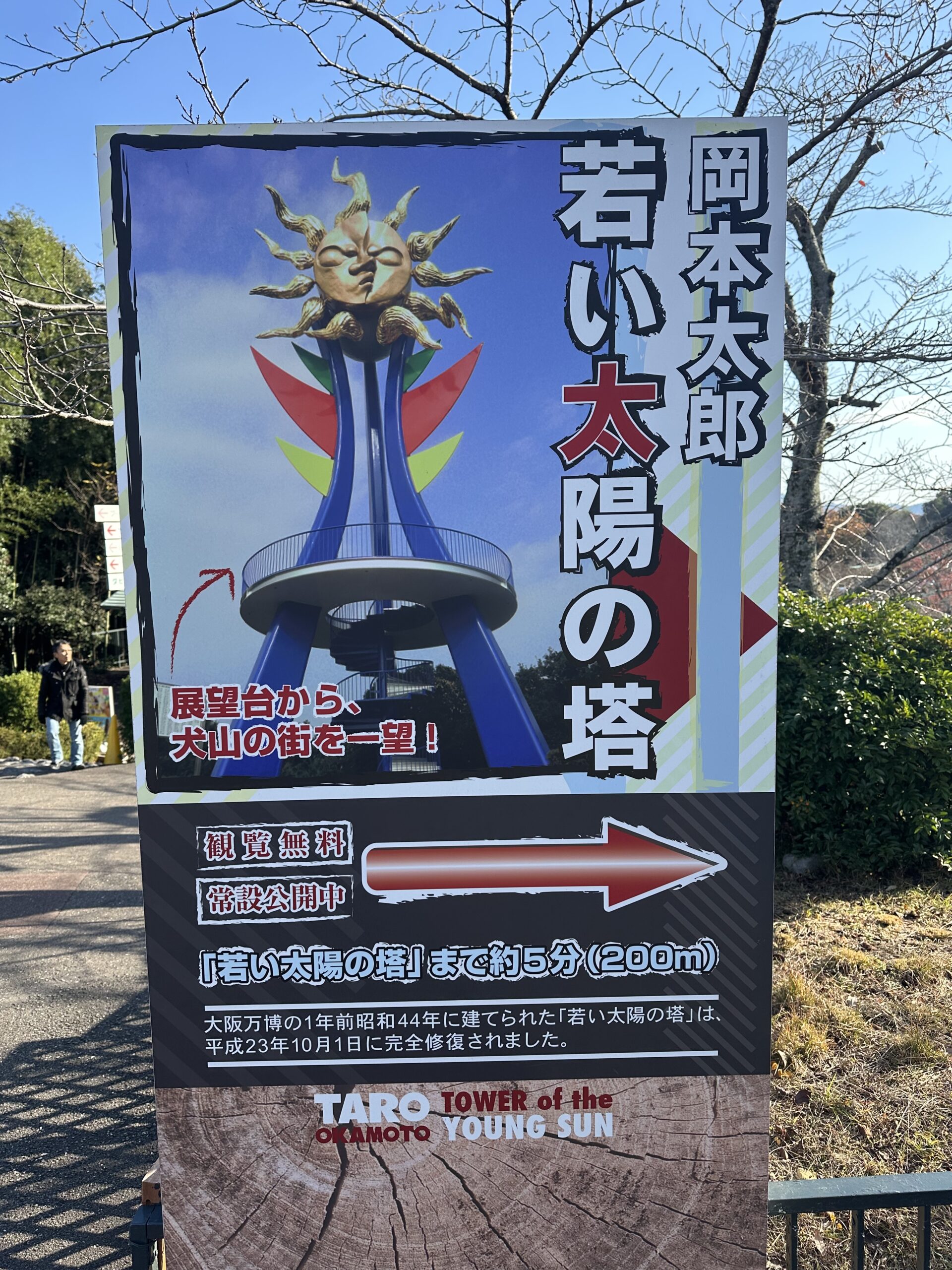
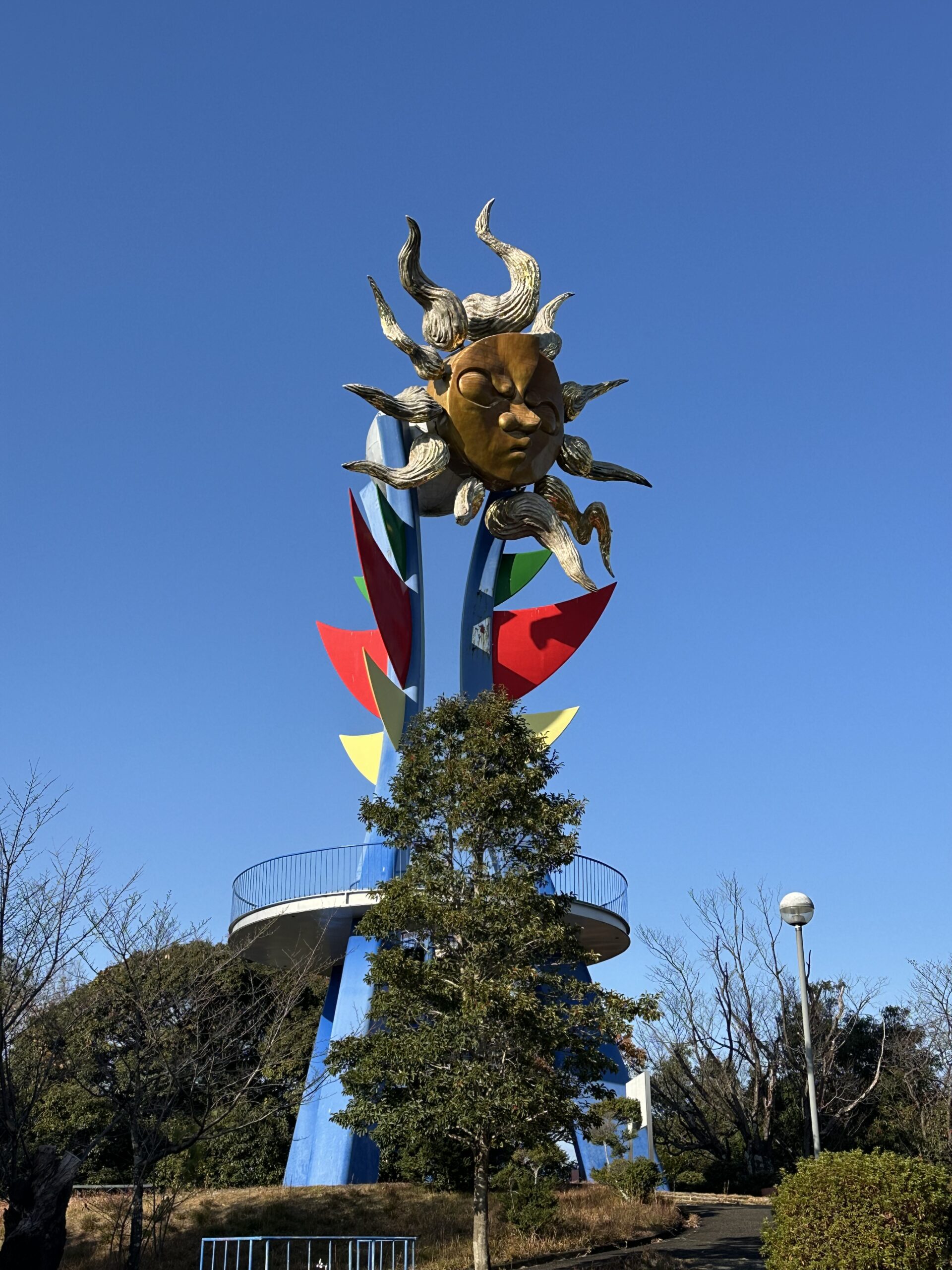
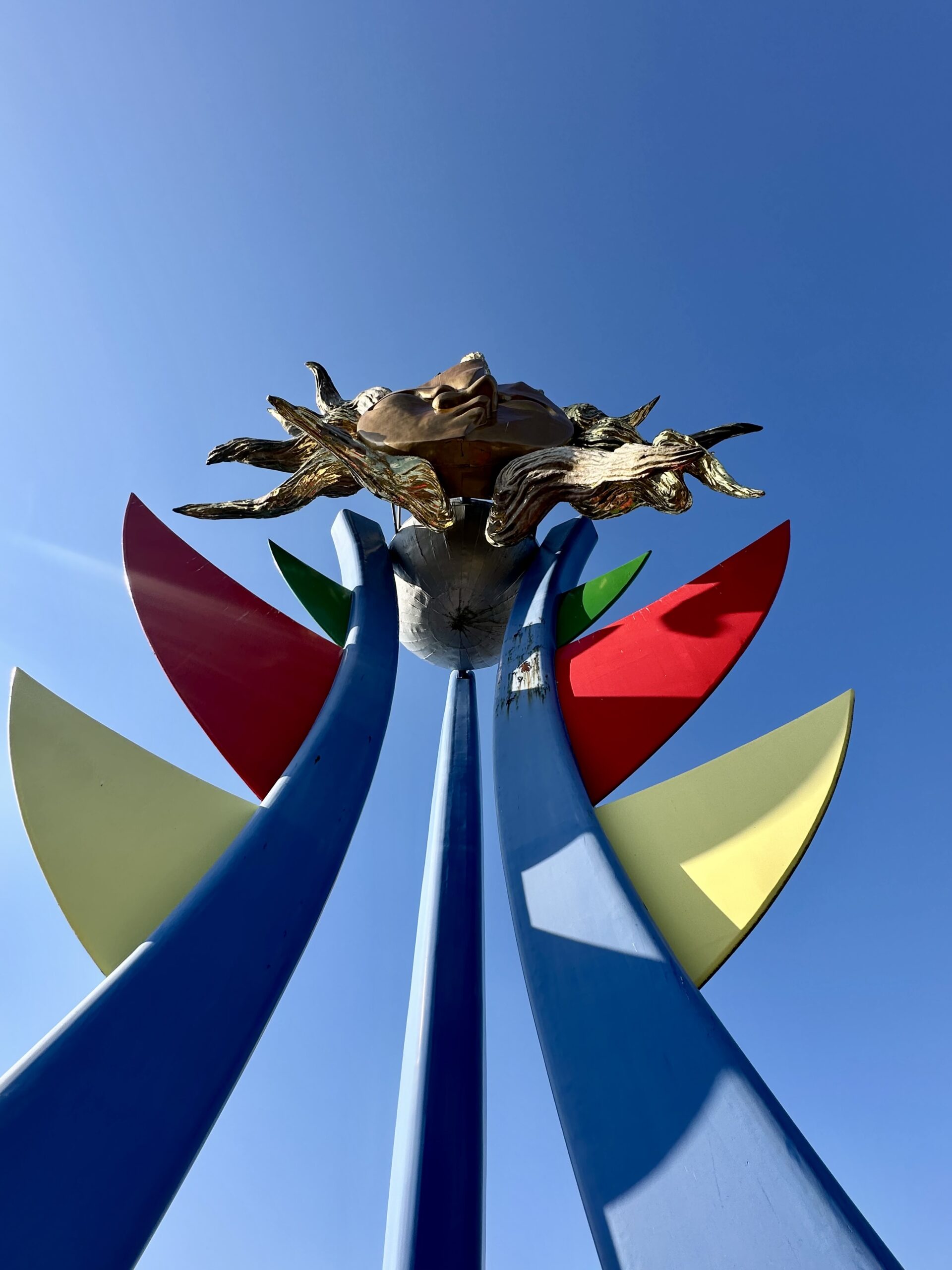
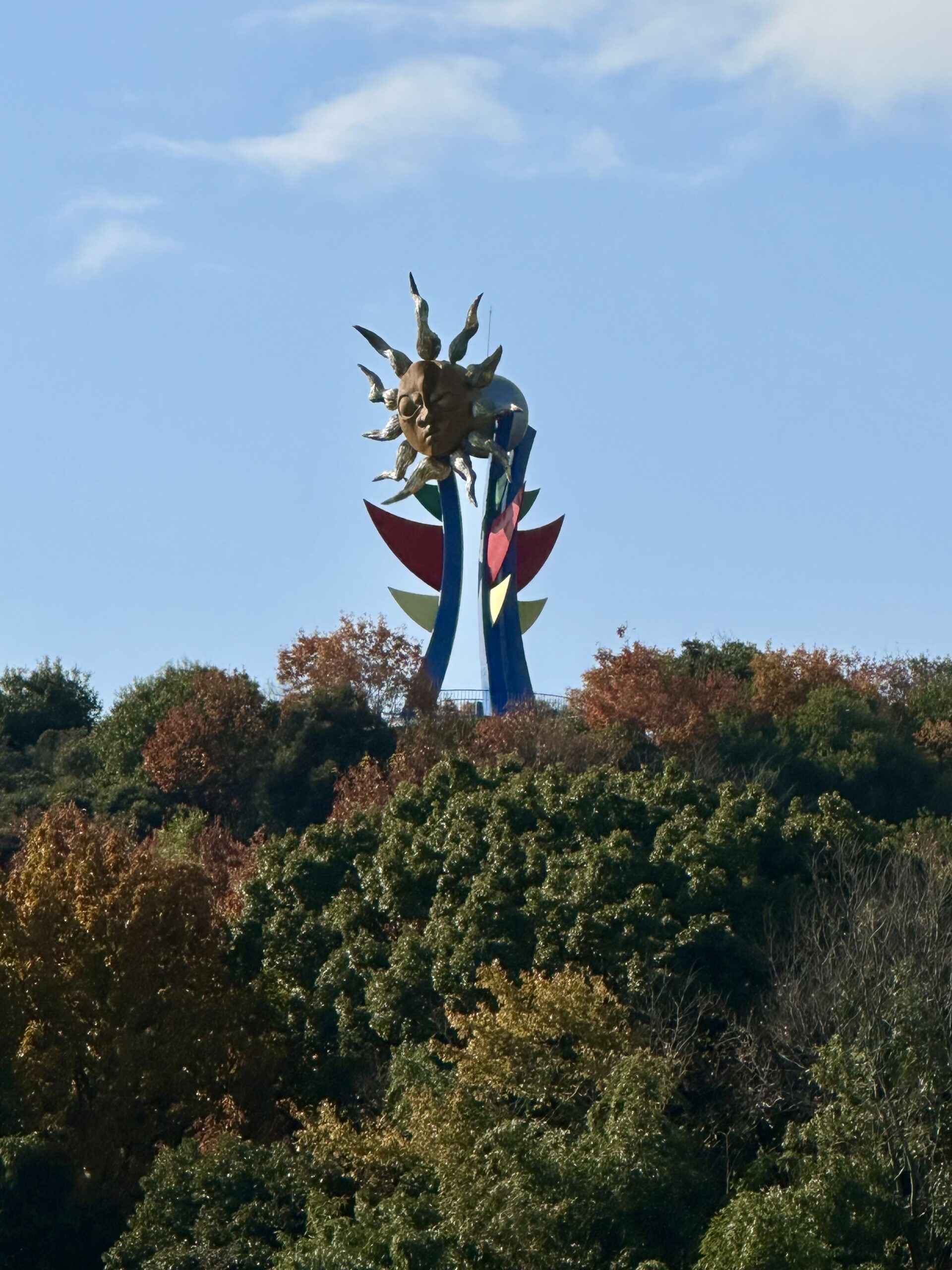
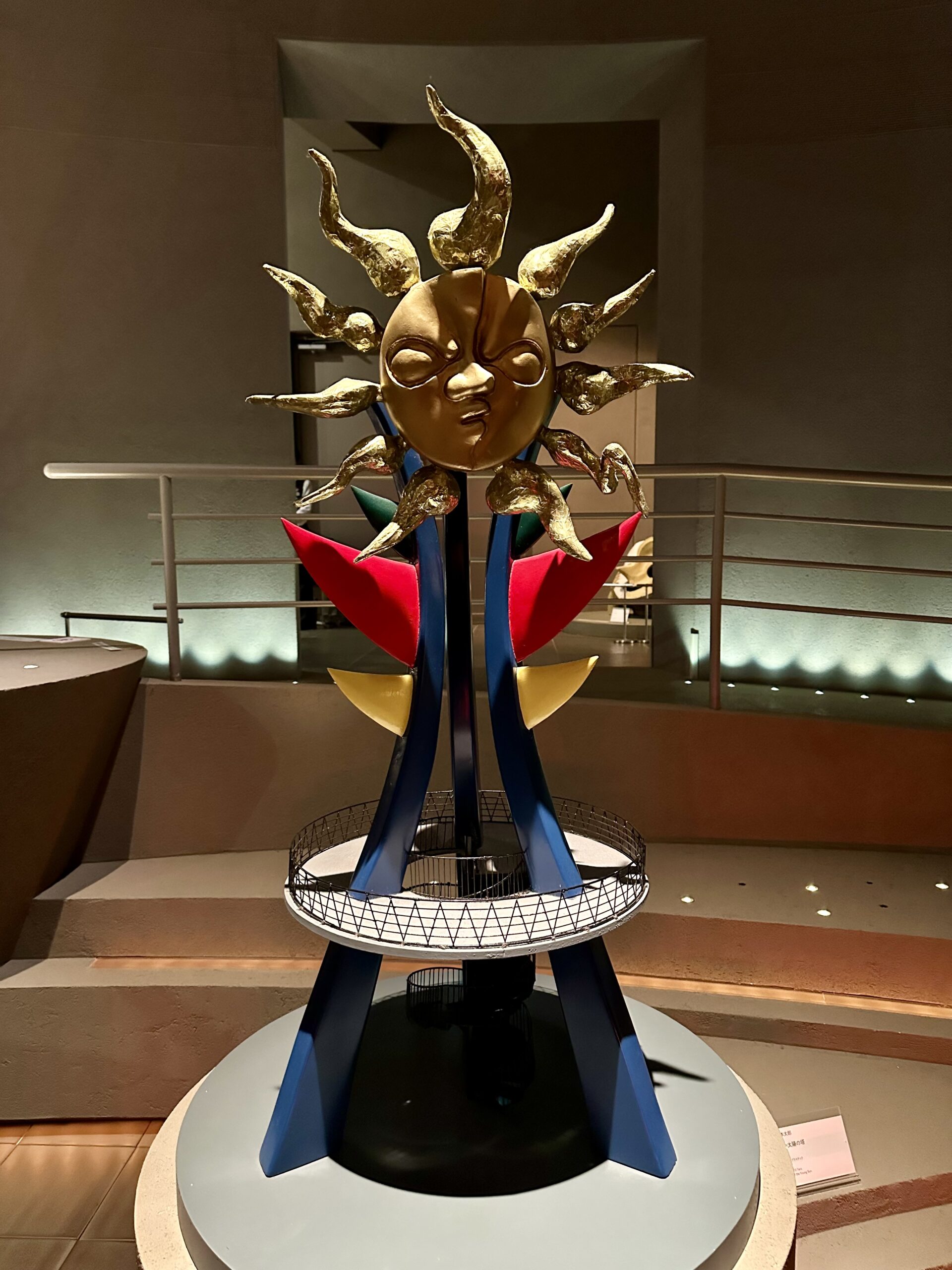
「若い太陽の塔」
これは、EXPO’70大阪万博の「太陽の塔」に先立ち、1969年の3月に芸術家岡本太郎さんにより制作されました。当時アジア初の国際博覧会EXPO’70が開催されるということで、それを盛り上げるように日本各地で万博の開催にちなんだプレイベントが企画されてたようです。この地では名古屋鉄道(略称:名鉄)さんが犬山ラインパーク(現:日本モンキーパーク)でのプレイベントとして岡本太郎さんにオブジェの製作を依頼してできたというものとのことです。若い太陽の塔の顔は、太陽の塔がもつ3つの顔(現在、過去、未来を表す)のうち正面に描かれている顔で、そうしたことから、太陽の塔の兄弟ともいわれています。
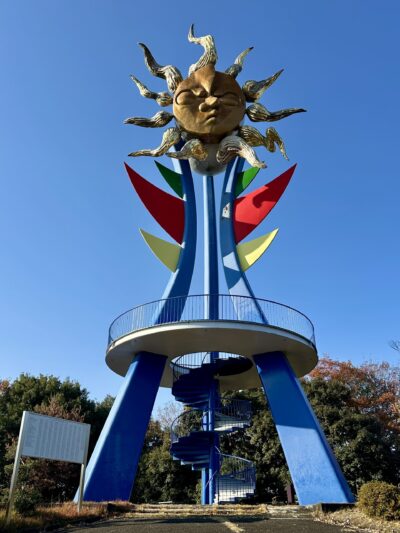
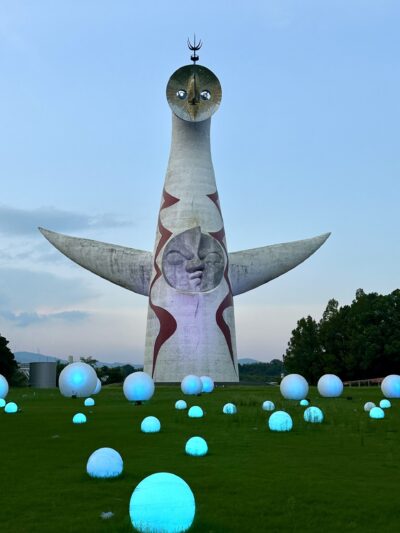 万博記念公園に残る太陽の塔は、今年8月国の重要文化財に指定され今後永らく多くの人に親しまれることと思いますが、万博終了後から現在に至るいきさつを知ると現存するのがほとんど奇跡に思えてきます。
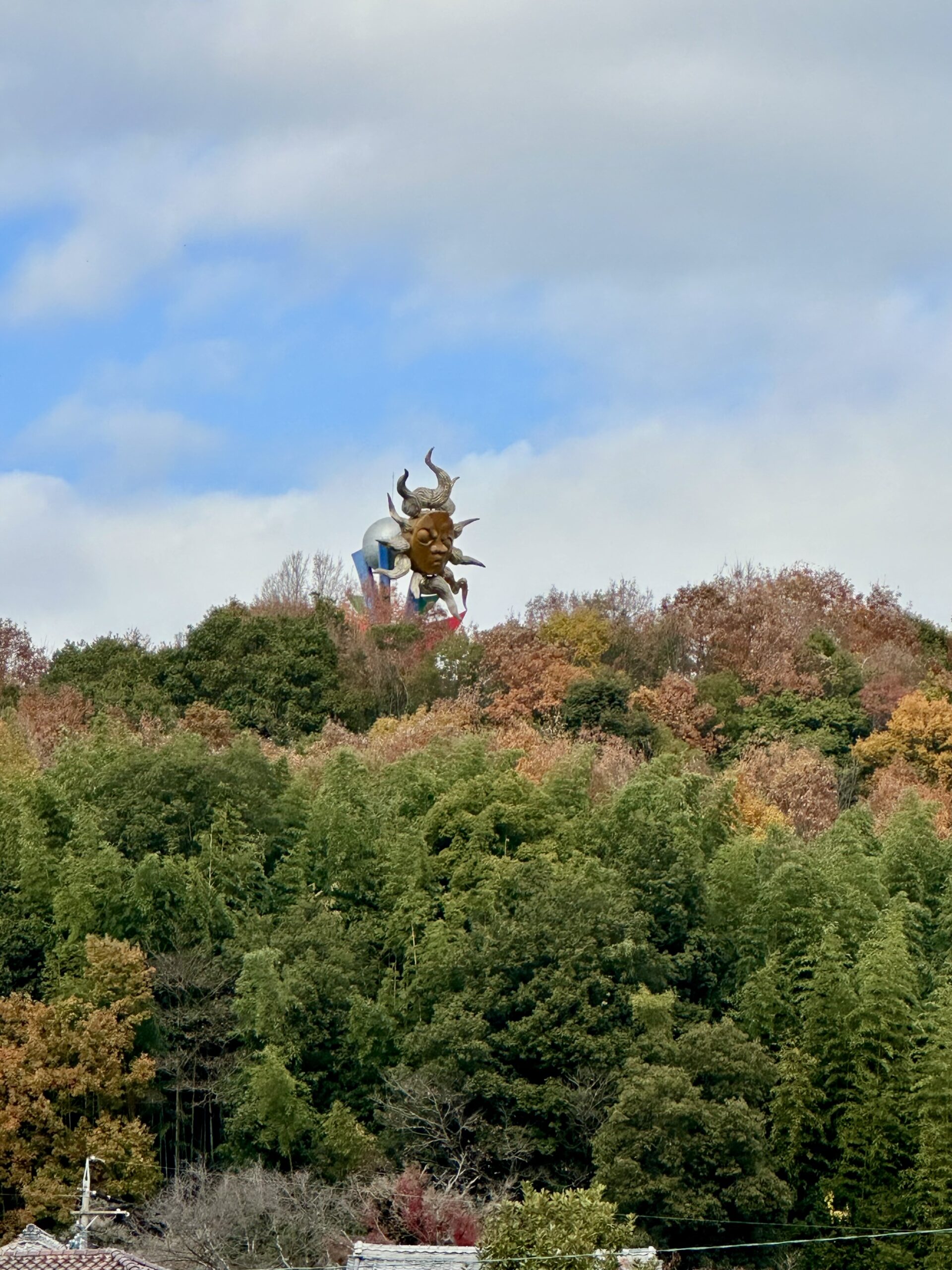
一方、日本モンキーパークに現存する若い太陽の塔にも現在にいたる数奇な物語があります。最初に岡本太郎さんが「若い太陽」としてオブジェを制作され、これを地元の有志が塔を建設、そこに掲げられて「若い太陽の塔」になる。しかしプレイベント終了後、ヒヒを観察できる場所(当時犬山ラインパークと日本モンキーセンターは一体運営)に設置したところ、人口造形物が動物施設の近くにあることへの批判が出て(ヒヒが怖がったとの冗談のような話もある)撤去され倉庫に保管。しばらくのち1975年にパークの一番高いところへ再設置され、犬山市内のあちらこちらから見ることができるランドマークとして永らく親しまれてるようになった。しかし2003年に老朽化の為に設置エリアが閉鎖。7年後の2010年、開園50周年を記念して限定公開公開したところ大反響となり、市民の寄付なども募りながら3000万円をかけて修復されて2011年より一般公開が継続しています。(参考:数奇な運命をたどった「若い太陽の塔」)
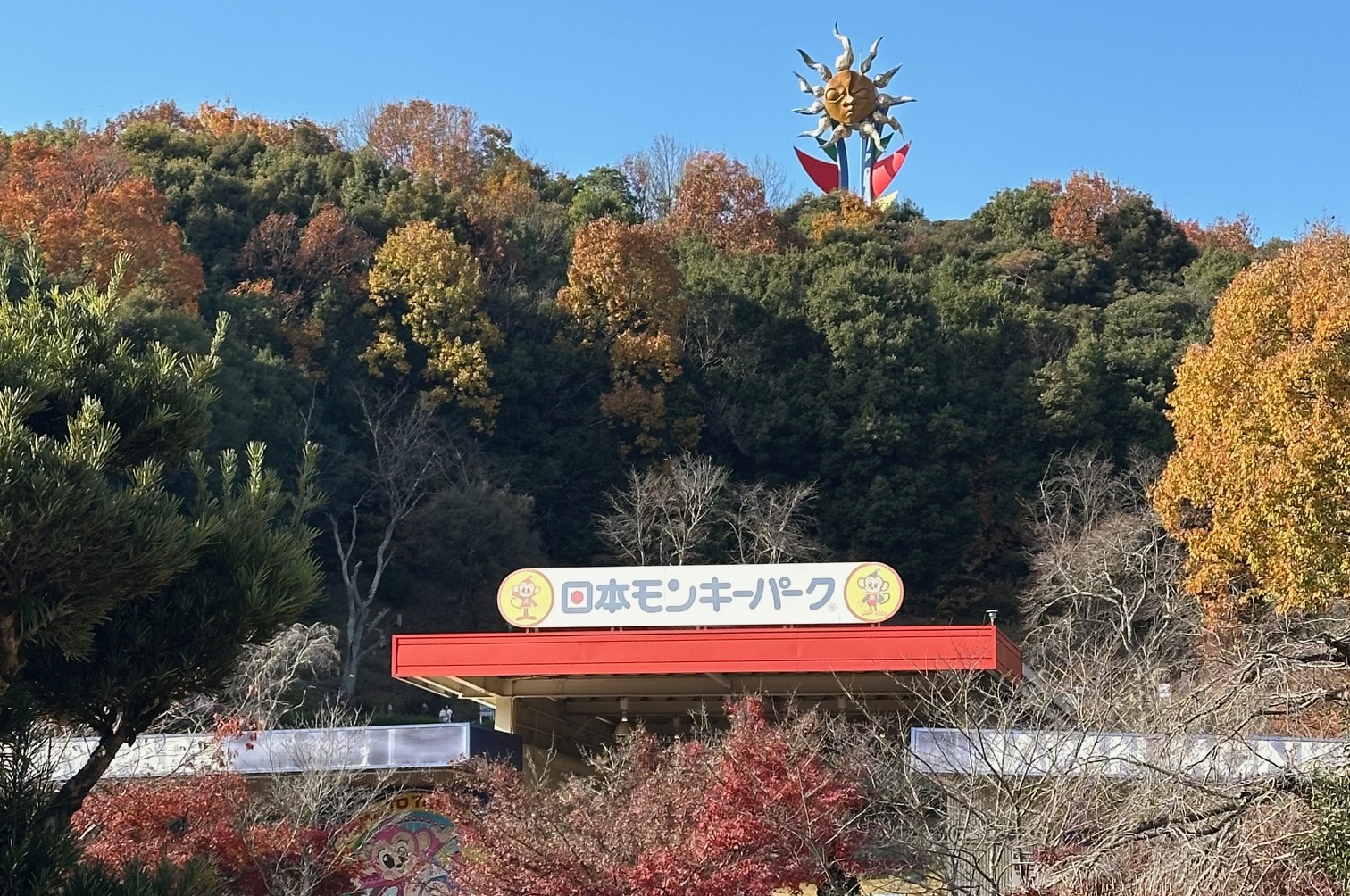
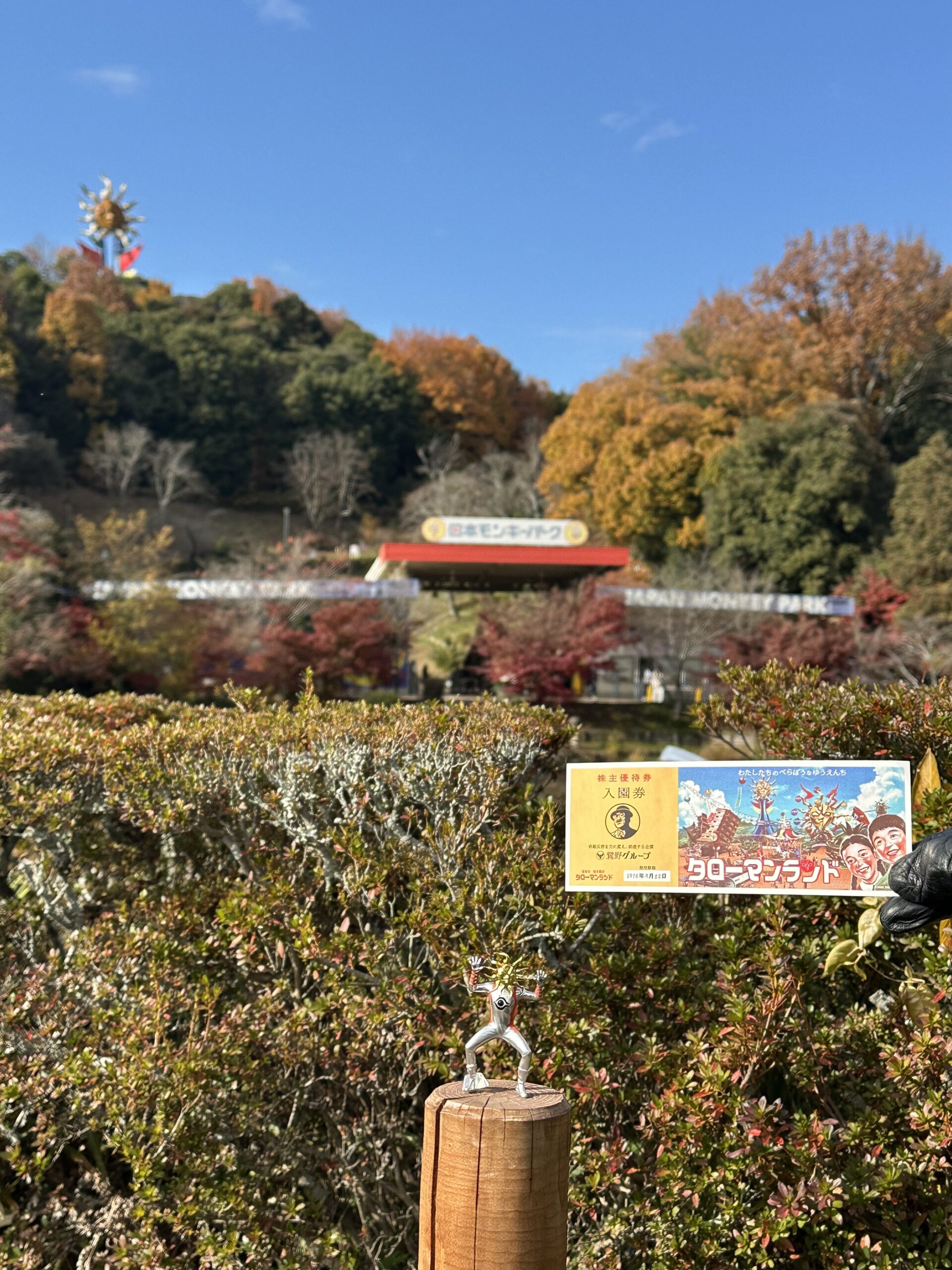
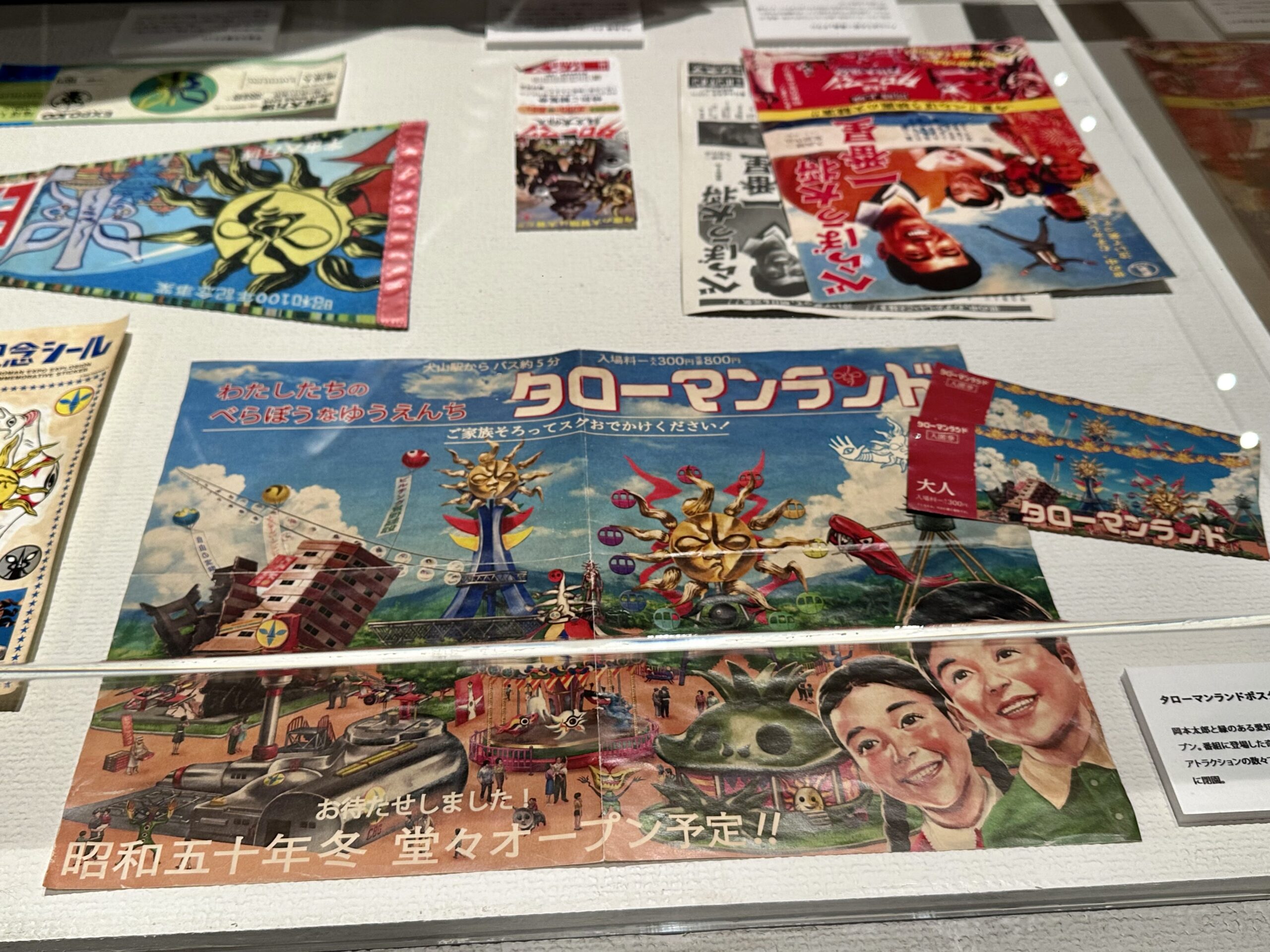
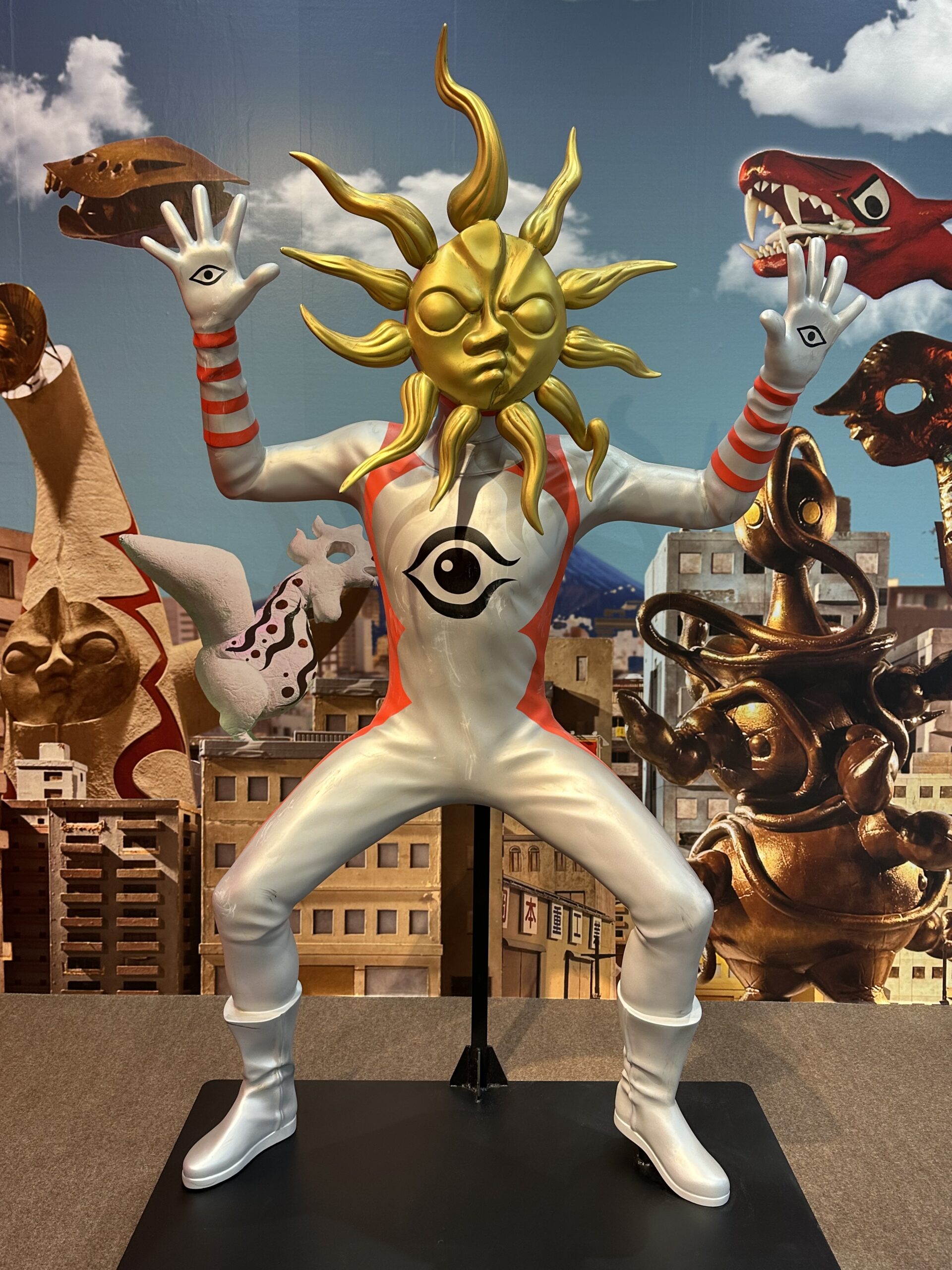
今年は、愛知県半田市出身の藤井亮監督の映画「タローマン 万博大爆発」(タローマンの顔は若い太陽の塔の顔)が公開されて、「若い太陽の塔」の存在も少しは注目を集めてるかな(?)と思いますが、みなさま犬山にお越しの際にはぜひこの「ホンモノ」に会いに行ってみてください。パークに入らなくとも犬山駅の南東方向の開けた場所やパーク周辺の道路からも見えますので探して見て下さい。
最後までお読みいただきありがとうございました。
“Seeking the real thing, head to Inuyama.”
This is the theme of the “Inuyama Campaign” (Inuyama City, Inuyama City Tourism Association, and Nagoya Railroad), a tourism promotion initiative launched in 2007.
Inuyama Castle’s annual visitor numbers, which hit a record low of 190,000 in 2003, reached a record high of over 620,000 in 2018. While the COVID-19 pandemic significantly reduced visitor numbers from 2019 to 2022, they reached a new record high of 650,000 in 2024 and are expected to surpass that figure in 2025, making Inuyama Castle Town incredibly lively. I believe the reason the National Treasure Inuyama Castle and castle town have remained vibrant and inviting to visitors is thanks to the collaborative efforts of the public, private, and local communities behind the “Inuyama Campaign.” 👏
So, when asked what the “real thing” of Inuyama is, many people likely think of the National Treasure Inuyama Castle, the National Treasure Joan Teahouse, and the Meiji Village Museum. It’s an authentic “real thing” backed by history and culture. However, Inuyama still has its own unique “real thing”… So, from Yugetsuan, we’d like to introduce some slightly different “real things.” In this first article, we’ll introduce the “Young Tower of the Sun” at Japan Monkey Park.
“Young Tower of the Sun”
This was created by artist Taro Okamoto in March 1969, prior to the “Tower of the Sun” at the Osaka Expo ’70. At the time, Asia’s first international exposition, EXPO ’70, was being held, and pre-events related to the Expo were planned across Japan to build excitement. Nagoya Railroad (abbreviated as Meitetsu) commissioned Taro Okamoto to create an object for a pre-event at Inuyama Line Park (now Japan Monkey Park). The face of the Young Tower of the Sun is the one painted on the front of the Tower of the Sun’s three faces (representing the present, past, and future), which is why it’s sometimes referred to as the Tower of the Sun’s sibling.
The Tower of the Sun, which remains in Expo Commemoration Park, was designated a National Important Cultural Property in August of this year and will likely remain beloved by many people for many years to come. However, when you learn about the events that led to its existence since the end of the Expo, it seems almost miraculous that it even exists.
Meanwhile, the Young Tower of the Sun, which still exists at Japan Monkey Park, also has a strange story of how it got to where it is today. Originally, Taro Okamoto created the object as a “young sun,” which local volunteers then constructed and hung on the tower, becoming the “Tower of the Young Sun.” However, after the pre-events ended, it was installed in an area where baboons could be observed (Inuyama Line Park and the Japan Monkey Center were jointly operated at the time), but it drew criticism for having an artificial structure so close to the animal facilities (there was a joking story that the baboons were frightened), and it was removed and stored in a warehouse. After a while, in 1975, it was reinstalled at the highest point of the park, where it has long been a beloved landmark visible from all over Inuyama City. However, in 2003, the installation area was closed due to its aging. Seven years later, in 2010, the Tower was opened to the public for a limited time to commemorate the park’s 50th anniversary. It received a tremendous response, and thanks to donations from local residents, it was restored at a cost of 30 million yen. It has been open to the public since 2011. (Reference: The Strange Fate of the Tower of the Young Sun)
This year, the release of the film “Taroman: Expo Explosion” (in which Taroman’s face is that of the Tower of the Young Sun), directed by Ryo Fujii, a native of Handa City, Aichi Prefecture, may have garnered some attention. If you’re visiting Inuyama, be sure to go see the real thing. Even without entering the park, you can see it from open areas southeast of Inuyama Station or from roads around the park, so be sure to look for it.